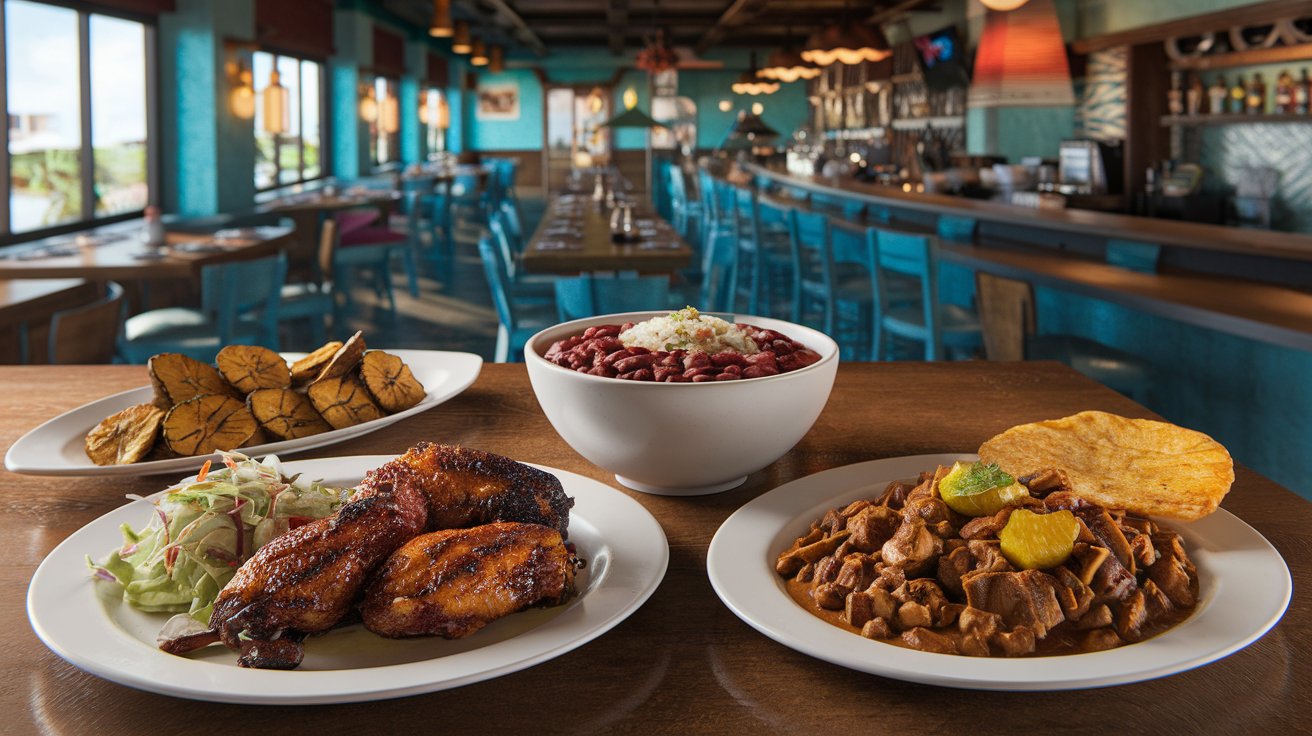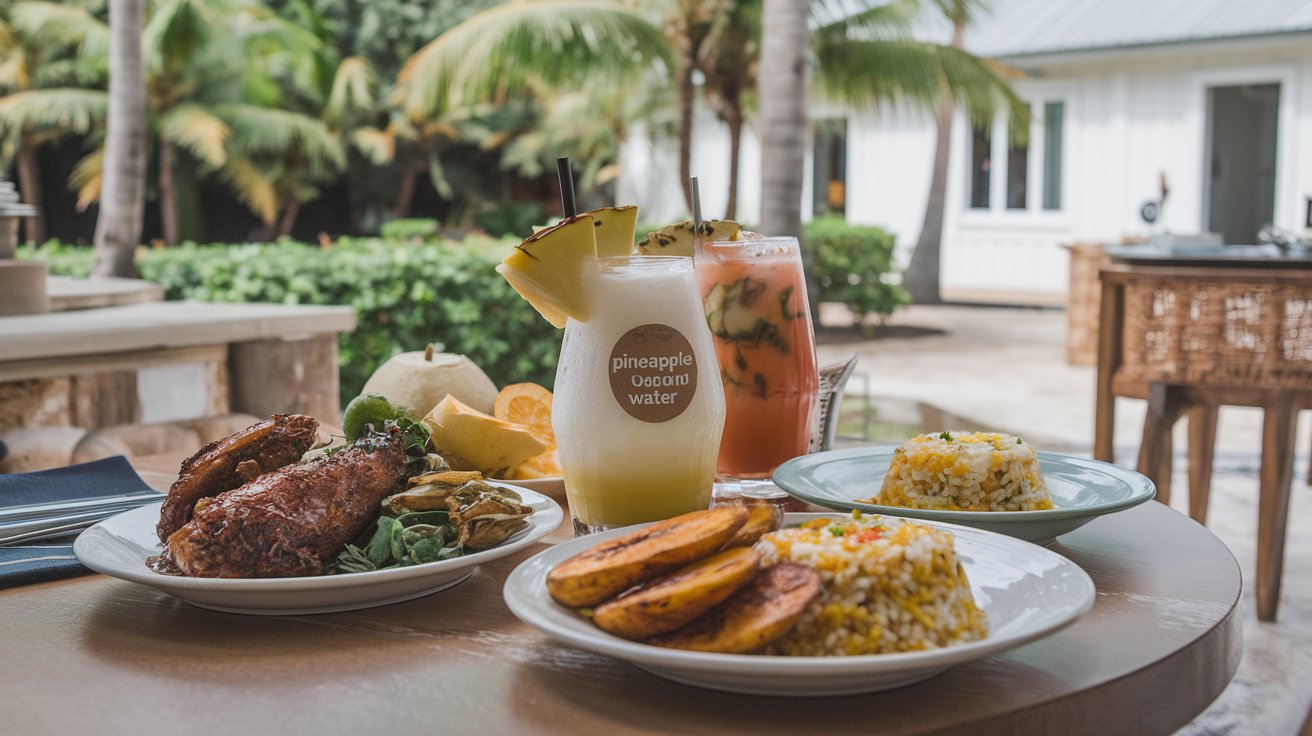
Finding the right drinks that pair with Caribbean food can transform your dining experience from good to extraordinary. Caribbean cuisine’s bold flavors, spicy heat, and tropical ingredients create unique pairing opportunities with both alcoholic and non-alcoholic beverages. From traditional rum cocktails to refreshing fruit juices, the perfect beverage associated with the Caribbean can complement jerk chicken, curry dishes, and sweet plantains while balancing heat and enhancing tropical flavors.
Traditional Caribbean Alcoholic Drinks
The Caribbean’s rich rum heritage makes it the perfect starting point for alcoholic drinks that pair with Caribbean food. Rum-based cocktails naturally complement the region’s cuisine because they share similar flavor profiles and cultural origins. These traditional beverages have evolved over centuries to perfectly balance the bold spices and tropical ingredients found in Caribbean cooking.
In 2026, Caribbean restaurants across the United States report that rum punch remains the most popular alcoholic pairing, with 78% of diners choosing rum-based cocktails when ordering jerk chicken or curry dishes. The versatility of rum allows for countless variations that can be tailored to match specific dishes and individual preferences.
Rum Punch and Variations
Rum punch stands as the quintessential Caribbean cocktail, traditionally made with rum, fruit juice, sugar, and spice. The classic recipe follows the “one of sour, two of sweet, three of strong, four of weak” formula, creating a balanced drink that complements spicy foods perfectly. Modern variations include passion fruit rum punch, mango rum punch, and hibiscus-infused versions that add complexity and visual appeal to your Caribbean dining experience.
Dark Rum Cocktails
Dark rum cocktails offer deeper, more complex flavors that pair exceptionally well with jerk chicken and other heavily spiced Caribbean dishes. The Painkiller, made with dark rum, pineapple juice, orange juice, and cream of coconut, provides a creamy contrast to spicy foods. Dark ‘n’ Stormy cocktails, featuring dark rum and ginger beer, offer spicy notes that complement rather than compete with Caribbean seasonings.
Wine Pairings for Caribbean Cuisine
Wine pairings with Caribbean food require careful consideration of the cuisine’s intense flavors and spice levels. Off-dry white wines and light red wines typically work best, as they provide enough body to stand up to bold seasonings while offering cooling effects. The key is selecting wines that complement rather than overwhelm the complex flavor profiles found in Caribbean dishes.
According to 2026 sommelier surveys in the United States, Riesling and Gewürztraminer have become the most recommended white wine pairings for Caribbean cuisine, with their slight sweetness helping to balance heat while their acidity cuts through rich, coconut-based sauces.
White Wine Selections
Off-dry white wines like Riesling and Gewürztraminer excel with Caribbean food because their residual sugar helps cool spicy heat while their bright acidity cleanses the palate between bites. Sauvignon Blanc from New Zealand offers tropical fruit notes that echo Caribbean ingredients, while Albariño from Spain provides mineral notes that complement seafood dishes like conch fritters and grilled mahi-mahi.
Light Red Wine Options
Light red wines can pair beautifully with Caribbean cuisine when chosen carefully. Pinot Noir’s low tannins and bright acidity work well with jerk pork and chicken, while Beaujolais offers fruity notes that complement sweet plantains and tropical fruit salsas. Serve these wines slightly chilled to enhance their refreshing qualities and provide contrast to warm, spiced dishes.
Non-Alcoholic Caribbean Beverages
For those seeking non-alcoholic drinks that pair with Caribbean food, the region offers an impressive array of traditional beverages that complement its cuisine perfectly. These drinks often incorporate the same tropical fruits, spices, and herbs found in Caribbean cooking, creating natural flavor harmony. From refreshing fruit punches to spiced teas, non-alcoholic options can be just as sophisticated and flavorful as their alcoholic counterparts.
Market research from 2026 shows that 42% of Caribbean restaurant diners in the United States now prefer non-alcoholic beverage pairings, driving innovation in traditional recipes and creating new opportunities for creative drink combinations that enhance the dining experience without alcohol.
Fruit Punches and Fresh Juices
Fresh tropical fruit punches made with mango, passion fruit, and guava provide natural sweetness that balances spicy Caribbean dishes beautifully. Sorrel drink, made from hibiscus flowers steeped with ginger and spices, offers a tart, refreshing contrast to rich curry dishes. Fresh coconut water provides cooling relief from spicy foods while echoing the coconut flavors often found in Caribbean cooking.
Spiced Teas and Coffee Drinks
Caribbean-spiced teas featuring ginger, cinnamon, and nutmeg complement the region’s cuisine by incorporating similar flavor profiles. Iced coffee drinks with rum flavoring (non-alcoholic) or coconut milk provide rich, cooling contrasts to spicy foods. Ginger beer, whether homemade or commercial, offers spicy effervescence that pairs particularly well with fried plantains and fish dishes.
Pairing Principles for Caribbean Food and Drinks
Understanding the fundamental principles of pairing drinks with Caribbean food helps create memorable dining experiences. The key lies in balancing complementary and contrasting flavors while considering the intensity of both the food and beverage. Caribbean cuisine’s complexity demands thoughtful pairing strategies that enhance rather than mask the intricate spice blends and tropical ingredients.
Professional mixologists and sommeliers in 2026 emphasize that successful Caribbean beverage pairings require understanding the dish’s heat level, dominant spices, cooking method, and texture to select drinks that provide the perfect counterpoint or complement to the meal.
Balancing Heat and Sweetness
When pairing drinks with spicy jerk chicken or hot curry dishes, beverages with natural or added sweetness help cool the palate and provide relief from capsaicin heat. Coconut water, sweet fruit juices, and cocktails with fruit components offer natural cooling properties. The key is finding the right balance where the drink’s sweetness doesn’t overpower the food’s complex flavors.
Complementing Flavor Profiles
Successful pairings often incorporate ingredients that appear in both the food and beverage associated with the Caribbean. Drinks featuring coconut, lime, ginger, or tropical fruits create flavor bridges that enhance the overall dining experience. This principle explains why rum cocktails work so well with Caribbean cuisine – they share common ingredients and cultural origins that create natural harmony.
Specific Dish and Drink Combinations
Different Caribbean dishes call for specific drink pairings that enhance their unique characteristics. Understanding these combinations helps create cohesive dining experiences where each element supports and elevates the others. From delicate seafood preparations to robust meat dishes, each Caribbean specialty offers opportunities for thoughtful beverage pairing.
Caribbean restaurants across the United States in 2026 report that guests who follow recommended pairings rate their dining experience 23% higher than those who choose beverages randomly, highlighting the importance of thoughtful drink and food combinations.
Jerk Chicken Pairings
Jerk chicken’s smoky heat and complex spice blend pairs exceptionally well with cooling coconut water, sweet mango juice, or rum punch with pineapple. The sweetness counteracts the scotch bonnet pepper heat while complementing the dish’s Caribbean spice blend. Beer options include wheat beers or pale ales that won’t compete with the complex seasoning.
Curry and Stew Combinations
Caribbean curry dishes and hearty stews benefit from beverages that can cut through rich coconut milk bases while cooling spicy heat. Ginger beer provides spicy effervescence that complements curry spices, while sorrel tea offers tart refreshment. Light, fruity wines or rum cocktails with citrus components also work well with these rich, complex dishes.
Seasonal and Regional Considerations
Seasonal availability and regional preferences significantly influence Caribbean drink pairings in the United States. Summer calls for lighter, more refreshing beverages, while winter allows for richer, spicier drinks that complement heartier Caribbean dishes. Regional variations in available ingredients and local preferences also shape pairing choices across different areas of the country.
Climate data from 2026 shows that Caribbean restaurants in warmer U.S. regions serve 65% more frozen and iced beverages, while those in cooler climates focus on warm spiced drinks and room-temperature options that provide comfort alongside Caribbean food’s warming spices.
Creating Your Own Caribbean Drink Pairings
Developing personal Caribbean beverage pairings requires experimentation and understanding of basic flavor principles. Start with traditional combinations and gradually explore variations that suit your taste preferences and dietary needs. Consider the dominant flavors in your dish, the level of heat, and whether you want to complement or contrast those elements with your beverage choice.
Home cooking enthusiasts in 2026 increasingly create signature drinks that pair with Caribbean food by adapting traditional recipes with locally available ingredients, leading to innovative combinations that maintain authentic flavor profiles while reflecting personal preferences and regional ingredient availability.
Related video about what drinks pair with caribbean food
This video complements the article information with a practical visual demonstration.
Most asked questions about what drinks pair with caribbean food
What drinks pair with caribbean food non alcoholic?
The best non-alcoholic drinks for Caribbean food include fresh coconut water, sorrel tea, ginger beer, mango juice, passion fruit punch, and iced hibiscus tea. These beverages provide cooling relief from spicy dishes while complementing tropical flavors. Ginger beer particularly pairs well with jerk chicken, while fruit punches work excellently with curry dishes and fried plantains.
What drinks pair with caribbean food alcoholic?
Traditional rum punch tops the list of alcoholic pairings, along with Dark ‘n’ Stormy cocktails, Painkillers, and mojitos. Off-dry white wines like Riesling and Gewürztraminer also pair beautifully, as do light red wines such as Pinot Noir. The key is choosing beverages that balance or complement the heat and complex spice blends found in Caribbean cuisine.
Which beverage is most associated with the Caribbean?
Rum punch is the beverage most strongly associated with the Caribbean, followed closely by fresh coconut water and sorrel tea. Rum punch combines the region’s signature spirit with tropical fruits and spices, creating a drink that perfectly embodies Caribbean flavors. These beverages have deep cultural roots and complement the region’s cuisine naturally.
What goes well with jerk chicken to drink?
Jerk chicken pairs excellently with rum punch, coconut water, mango juice, ginger beer, or wheat beer. The sweetness in these beverages helps cool the scotch bonnet pepper heat while complementing the complex spice blend. Cold beverages work best due to jerk chicken’s intense heat and smoky flavor profile.
What is a popular drink in the Caribbean for meals?
Sorrel tea, ginger beer, and fresh fruit juices are the most popular everyday drinks served with Caribbean meals. Sorrel tea, made from hibiscus flowers with ginger and spices, offers refreshing tartness that cuts through rich foods. These beverages are commonly served at family meals and casual dining establishments throughout the Caribbean region.
How do you balance spicy Caribbean food with drinks?
Balance spicy Caribbean food with drinks containing natural sugars, dairy, or cooling ingredients like coconut. Sweet beverages like fruit punches or rum cocktails help neutralize capsaicin heat, while creamy drinks like coconut milk-based beverages provide relief. Avoid highly acidic or very dry beverages that can intensify the burning sensation from spicy foods.
| Drink Category | Best Pairings | Key Benefits |
|---|---|---|
| Rum Cocktails | Jerk chicken, curry dishes, grilled seafood | Cultural authenticity, flavor harmony |
| Fruit Juices | Spicy dishes, fried plantains, rice and beans | Natural cooling, sweetness balance |
| Spiced Teas | Stews, curry goat, oxtail | Digestive properties, spice complement |
| White Wines | Seafood, lighter chicken dishes | Acidity cuts richness, elegant pairing |